Materials Science
Fiber & Fabric Materials Guide
Deep dives into polyester, nylon, cotton, and specialized performance fibers — the building blocks of Seekingtex fabrics.
The performance, durability, and functionality of a fabric depend almost entirely on the materials used in its construction. From the fiber that forms the yarn to the coating that gives it waterproofness, every material choice affects how the fabric performs and how long it lasts.
This guide covers the four core fiber types used in modern functional fabrics: polyester, nylon, cotton and natural fibers, and specialized performance fibers. Understanding these materials will help you choose the right fabric for your needs and maintain it for maximum lifespan.
Polyester (PET)
The industry standard for performance and functional fabrics. High-tenacity polyester offers excellent strength-to-weight ratio, UV resistance, and moisture management at an accessible price point.
Advantages
- +Affordable — 30-50% cheaper than nylon
- +Lightweight and quick-drying
- +Good UV resistance with proper stabilizers
- +Excellent dimensional stability
- +Easy to dye and finish
Limitations
- -Lower tensile strength than nylon
- -Less abrasion resistance than nylon
- -Can pill with heavy abrasion
- -Lower melting point than some specialty fibers
Best for: Outdoor apparel, sportswear, home textiles, workwear, bags and luggage, industrial fabrics.

Nylon (Polyamide)
Premium synthetic fiber known for exceptional strength, abrasion resistance, and elasticity. The gold standard for high-durability and performance applications.
Advantages
- +Highest tensile strength among common synthetics
- +Excellent abrasion resistance
- +Superior elasticity and recovery
- +Good chemical resistance
- +Soft handle and drape
Limitations
- -Lower UV resistance than polyester
- -Higher moisture absorption
- -More expensive than polyester
- -Can yellow with prolonged UV exposure
- -Higher density — heavier at same thickness
Best for: Performance outerwear, military uniforms, upholstery, industrial textiles, hosiery, swimwear.
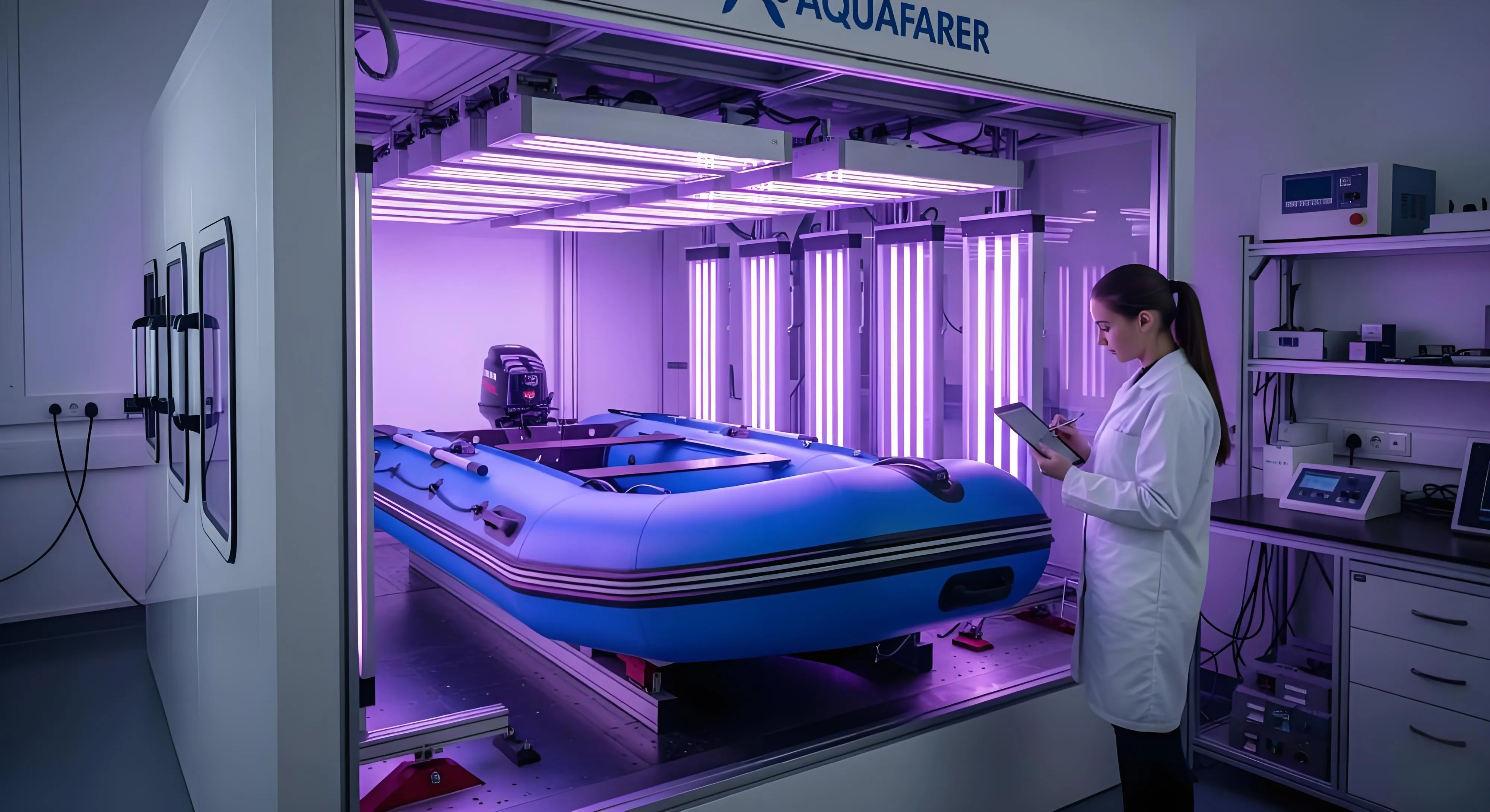
Cotton & Natural Fibers
Natural cellulose fibers valued for comfort, breathability, and sustainability. Modern finishing technologies enhance natural fibers with performance characteristics.
Advantages
- +Excellent breathability and moisture absorption
- +Natural softness and comfort against skin
- +Biodegradable and renewable
- +Hypoallergenic for sensitive skin
- +Easy to care for and durable when properly finished
Limitations
- -Lower strength than synthetics
- -Absorbs water — slow to dry
- -Prone to shrinkage without pre-treatment
- -Wrinkles more than synthetics
- -Requires chemical finishing for wrinkle/water resistance
Best for: Everyday apparel, shirts and blouses, denim, towels and linens, eco-friendly products.
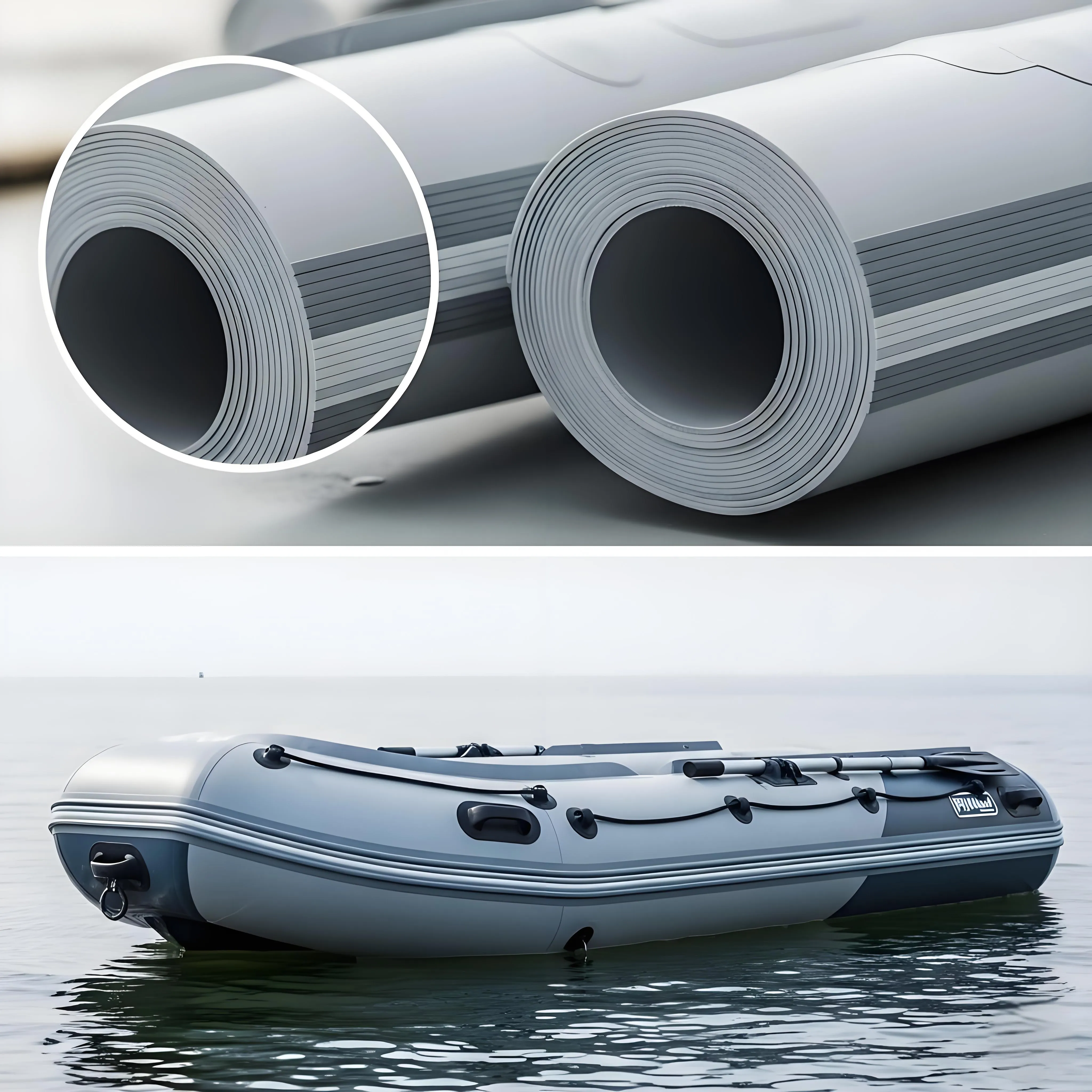
Specialized Performance Fibers
Engineered fibers designed for specific performance requirements — aramid for heat resistance, spandex for stretch, recycled PET for sustainability, and conductive fibers for smart textiles.
Advantages
- +Tailored properties for specific applications
- +Can combine multiple performance characteristics
- +Enable innovation in smart and technical textiles
- +Often recyclable or from renewable sources
- +Precise engineering for consistent quality
Limitations
- -Higher cost than commodity fibers
- -Specialized processing equipment may be needed
- -Limited color range for some specialty fibers
- -Smaller supplier base for niche fibers
- -May require blended construction for balanced properties
Best for: Protective clothing, stretch fabrics, sustainable products, smart textiles, high-performance technical applications.
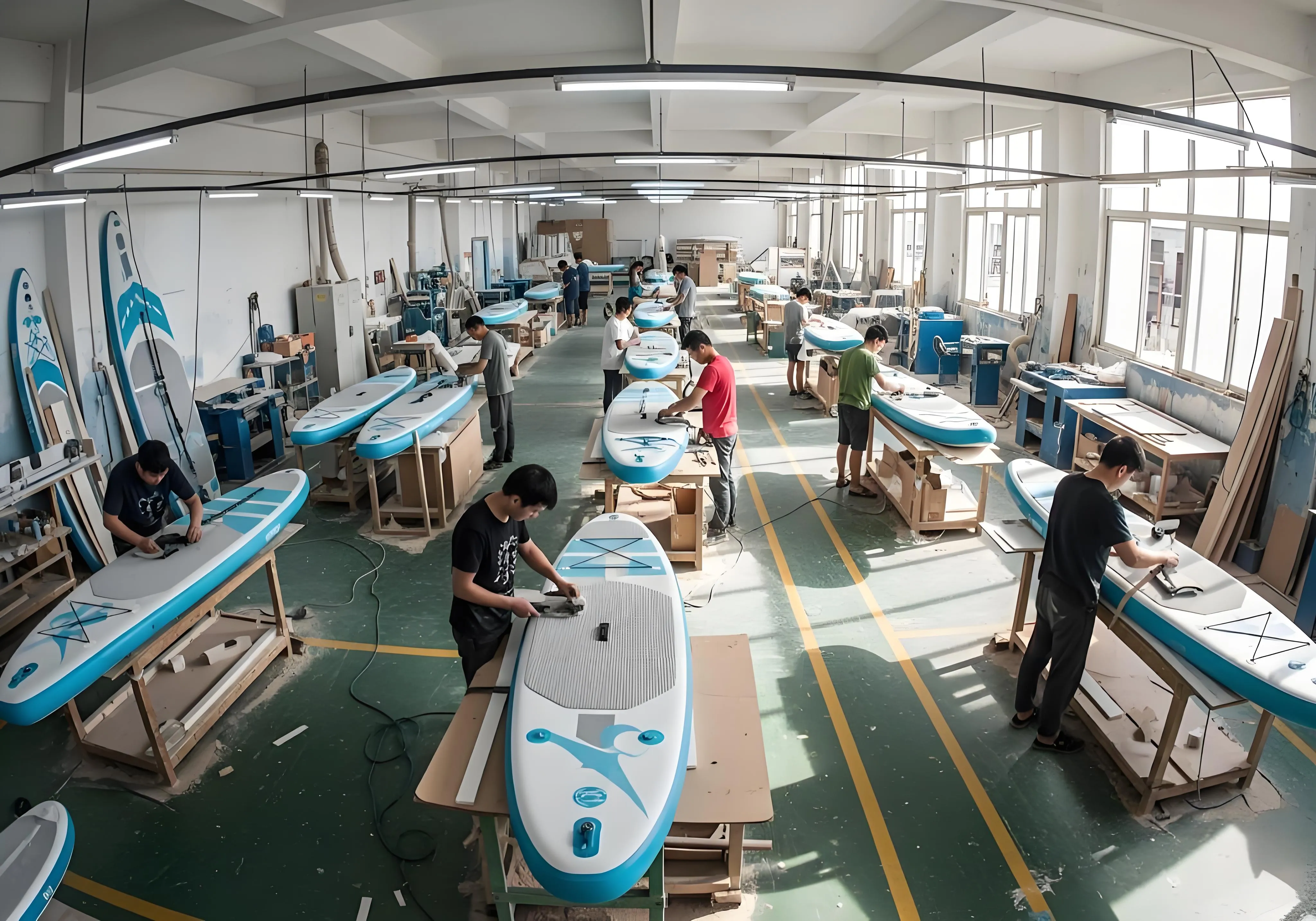
Fiber Selection Guide
Choose the right fiber based on your primary use case:
| Use Case | Recommended Fiber | Why |
|---|---|---|
| Outdoor performance apparel | Polyester + coatings | Lightweight, UV resistant, quick-drying — ideal balance for outdoor use |
| Everyday comfort clothing | Cotton / Cotton-blend | Breathable, soft, comfortable for daily wear |
| High-durability workwear | Nylon / Nylon-cotton blend | Maximum abrasion resistance, tensile strength, and durability |
| Eco-conscious products | Recycled polyester / Organic cotton | Sustainable, reduced environmental footprint, good performance |
| Activewear / sportswear | Polyester + spandex blend | Moisture-wicking, stretch for movement, quick-drying |
| Protective / industrial textiles | Specialty fibers (aramid, etc.) | Heat resistance, chemical resistance, high strength for demanding environments |
Deep Dive Guides
Performance Polyester
High-tenacity polyester fibers — UV resistance, tensile strength, and denier ratings explained.
Read guide →Nylon vs Polyester
The definitive comparison of the two dominant synthetic fabric materials — strength, UV resistance, moisture management.
Read guide →Cotton & Natural Fibers
How cotton, hemp, and bamboo fibers are used in functional fabrics — breathability, comfort, and sustainability.
Read guide →Coating & Lamination Technology
PU, acrylic, and silicone coatings create waterproof, breathable, and durable fabric finishes.
Read guide →Fabric Weight & Performance
Why fabric weight (GSM) matters — durability, drape, breathability, and end-use suitability.
Read guide →Quality Testing
UPF testing, waterproofness, tensile strength, color fastness, and abrasion — our quality process.
Read guide →Eco-Friendly Materials
Recycled polyester, organic cotton, PFC-free DWR — sustainable fabric options for responsible production.
Read guide →Fabric Care Guide
Washing, drying, stain removal, and storage best practices for performance fabrics.
Read guide →